

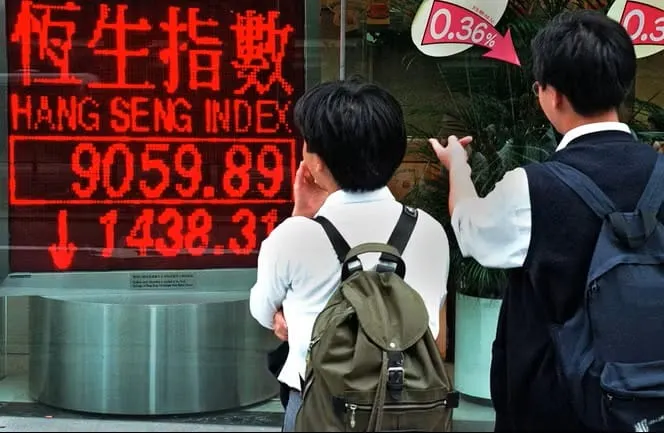
Could the Asia-Pacific region experience another financial crisis similar to that of 1997? Many analysts would argue that such a scenario remains unlikely, citing the stronger fiscal positions of regional economies and the substantial accumulation of foreign exchange reserves over the past three decades. Consequently, the prevailing view is that the Asia-Pacific region is far better equipped to withstand external shocks than it was during the lead-up to the Asian Financial Crisis. Yet, one important consideration is often overlooked. In the period preceding almost every major financial crisis, economic fundamentals rarely appear alarming. On the contrary, key indicators often remain robust, while investors grow increasingly optimistic about the economic outlook. Risks tend to be underestimated, and the potential impact of adverse developments is frequently dismissed as remote or manageable. It is this very combination of complacency, excessive confidence and the belief that favourable conditions will persist indefinitely that lays the foundation for asset bubbles. When expectations become detached from underlying realities, even relatively modest shocks can trigger abrupt reassessments of risk, leading to sharp market corrections and, in some cases, broader financial instability.